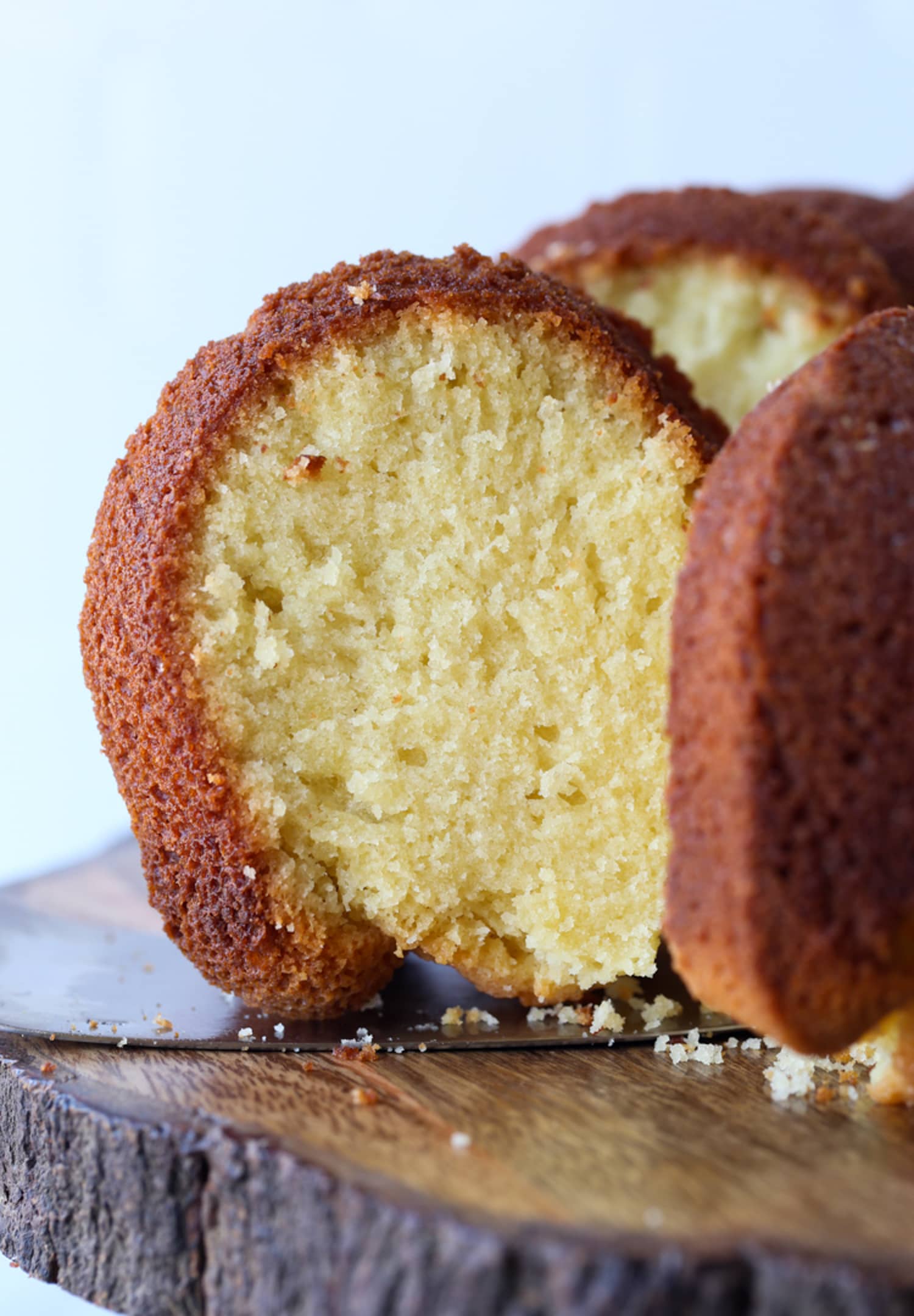
Classic Pound Cake: The Timeless Perfection of Just 4 Ingredients
In a world bustling with complex culinary trends and elaborate dessert recipes, there's something profoundly comforting about returning to the classics. The pound cake, a venerable institution in the baking world, stands as a testament to the power of simplicity. Far from being a dietbuster, the name "pound cake" harks back to its origins: a recipe so straightforward, it called for a pound of each of its four foundational ingredients. That’s right, just four simple, readily available components – butter, sugar, eggs, and flour – combine to create a cake of unparalleled richness, moisture, and density.
This isn't just any pound cake; it's *the* classic pound cake recipe, a cornerstone for any home baker. It’s a butter cake in its purest form, offering a sturdy yet tender crumb that serves as the perfect canvas for a myriad of toppings, from fresh summer berries and a dollop of whipped cream to a simple dusting of powdered sugar. While variations abound, incorporating everything from buttermilk for a tenderer crumb to unique flavorings, understanding this traditional, old-fashioned version is where the true magic begins. It teaches you the fundamentals, allowing you to build and adapt to your heart's content, much like the experts discuss in our
Homemade Pound Cake: Expert Tips for a Perfect Dense Crumb article.
The Magic Behind the 4-Ingredient Pound Cake Recipe
The beauty of this classic lies in its elegant simplicity. Each of the four core ingredients contributes uniquely to the cake's structure, flavor, and texture. Adhering to the original "pound of each" principle ensures a balanced, robust cake every time.
The Essential Four: A Closer Look
Let's break down the role of each crucial component:
*
Butter: The Heart of the Flavor
For this recipe, salted butter is often recommended. Why? Because without additional salt in the ingredient list, salted butter subtly enhances the overall flavor profile, cutting through the sweetness and adding a nuanced richness. If you prefer unsalted butter, you can certainly use it, but consider adding a pinch of fine salt (about 1/4 teaspoon) to your flour mixture. The most critical aspect of your butter, however, is its temperature. It absolutely *must* be softened to room temperature. This allows it to cream properly with the sugar, creating a light, airy base for your cake. Cold butter won't incorporate well, leading to a dense, uneven crumb.
*
Granulated Sugar: Sweetness and Structure
Granulated sugar isn't just for sweetness; it plays a vital structural role. When creamed with butter, the sugar crystals cut into the fat, creating tiny air pockets that contribute to the cake's eventual lift and tender texture. It also helps retain moisture, ensuring your pound cake remains beautifully moist. While classic recipes stick to granulated sugar, experimenting with light brown sugar can introduce a subtle caramel note, adding another layer of complexity.
*
Large Eggs: Binding and Leavening
Eggs are the binders and crucial emulsifiers in your pound cake. They bring moisture, richness, and help create a stable emulsion between the butter and sugar, preventing the batter from separating. Furthermore, the air beaten into the eggs during mixing contributes to the cake's rise. Just like butter, using large eggs at room temperature is non-negotiable. Room temperature eggs emulsify much more easily with the butter and sugar, resulting in a smoother, more uniform batter and a finer crumb.
*
All-Purpose Flour: The Cake's Foundation
In a classic pound cake, all-purpose flour is the traditional choice. Its moderate protein content provides enough structure to support the rich batter without making the cake overly tough. While cake flour can sometimes yield a more delicate crumb, for a sturdy, traditional pound cake like this, all-purpose flour works perfectly and maintains that signature dense yet tender texture. The careful handling of flour during mixing is key to preventing gluten overdevelopment, which could lead to a tough cake.
Mastering the Art of Mixing and Baking Your Pound Cake
Baking a perfect pound cake isn't just about the ingredients; it's about the technique. Each step, from creaming to baking, plays a crucial role in achieving that coveted golden crust and moist, tender interior.
The Creaming Method: Building the Foundation
The first step, and arguably one of the most important, is creaming the butter and sugar. In a large mixing bowl, combine your softened, room-temperature butter and granulated sugar. Beat them together on medium speed for a full 2 minutes. What you're aiming for is a mixture that is significantly lighter in color and noticeably fluffy. This process incorporates air into the butter, creating tiny pockets that will expand during baking, contributing to the cake's lift and tenderness. Don't rush this step – it's foundational to the texture of your pound cake.
Incorporating Eggs and Flour with Finesse
Once your butter and sugar are perfectly creamed, it's time to add the eggs. Add them one at a time, beating well after each addition. This ensures that each egg is fully incorporated into the batter, maintaining that smooth emulsion. Be sure to scrape down the sides of the bowl periodically to catch any unmixed ingredients.
Finally, the flour. Turn your mixer to low speed and add the all-purpose flour slowly, in two or three additions. Mix *only* until the flour is just incorporated into the batter. This is a critical point: over-mixing the batter can develop the gluten in the flour too much, resulting in an overly dense, tough, or dry cake. As soon as you no longer see streaks of dry flour, stop mixing.
Achieving the Perfect Bake
Prepare your loaf or Bundt pan by thoroughly greasing and flouring it. This prevents sticking and ensures a beautiful release. Pour your meticulously prepared batter into the pan and smooth the top.
Bake the cake in a preheated oven at 325°F (160°C) for approximately 70-80 minutes, or until a wooden skewer or toothpick inserted into the center comes out clean. Remember that oven temperatures can vary significantly, so your bake time might need slight adjustments. If you notice the top browning too quickly but the inside isn't done, you can loosely tent the cake with aluminum foil for the last portion of the baking time.
Once baked, allow the pound cake to cool in the pan on a wire rack for about 10-15 minutes before inverting it onto the rack to cool completely. This cooling period in the pan helps the cake set and prevents it from crumbling when removed.
Beyond the Basics: Serving Suggestions & Variations
The classic pound cake, with its rich, buttery flavor and satisfyingly dense crumb, is a masterpiece on its own, but its versatility truly shines when paired with accompaniments.
Traditionally, a slice of pound cake topped with fresh, macerated strawberries and a cloud of homemade whipped cream is an unbeatable combination. The vibrant sweetness and slight acidity of the berries perfectly complement the cake's richness, while the cream adds a luscious lightness. But don't stop there!
*
Breakfast Indulgence: Imagine thin slices of this cake transformed into "pound cake French toast" – a truly decadent breakfast experience.
*
Simple Pleasures: For purists, a slice plain with a cup of coffee or tea is pure bliss, allowing the nuanced flavors of the butter and vanilla to truly sing.
*
Creative Canvas: This basic recipe is a superb foundation for other desserts. You can toast slices, make trifles, or even create miniature dessert bites. For those looking to explore variations that incorporate more tenderizing agents like buttermilk, our guide on
Old-Fashioned Pound Cake: Moist & Buttery Southern Classic offers fantastic insights into achieving an even more moist and tender result.
Why Room Temperature Ingredients Matter (and Other Essential Tips)
We've touched upon it, but it bears repeating: using room temperature ingredients is perhaps the most crucial tip for a perfect pound cake. When butter, sugar, and eggs are at the same temperature, they emulsify beautifully, creating a smooth, homogenous batter that bakes evenly and results in a fine, consistent crumb. Cold ingredients will resist combining, leading to a lumpy batter and a denser, less tender cake. Plan ahead and take your butter and eggs out of the refrigerator at least an hour before you plan to bake.
Here are a few more tips for pound cake perfection:
*
Preheat Thoroughly: Always ensure your oven is fully preheated to the correct temperature *before* putting the cake in. An oven that isn't up to temperature can affect the cake's rise and texture.
*
Don't Peek Too Soon: Resist the urge to open the oven door during the first 45-50 minutes of baking. A sudden drop in temperature can cause the cake to sink in the middle.
*
Quality Pan: Use a good quality, heavy-bottomed pan. These distribute heat more evenly, preventing hot spots and ensuring a uniform bake.
*
Measure Accurately: Especially with baking, precision matters. Use a kitchen scale for the most accurate measurements, particularly for flour. This recipe famously calls for 1 pound of each, making a scale incredibly helpful.
Conclusion
The classic pound cake recipe, with its humble four ingredients, proves that sometimes the simplest things are the most profound. It’s more than just a cake; it’s a timeless piece of culinary history, a comforting staple, and a versatile foundation for countless dessert creations. By understanding the role of each ingredient and mastering a few key techniques, you can recreate this moist, buttery, and utterly perfect dessert in your own kitchen. So, gather your butter, sugar, eggs, and flour, and embark on a delicious journey back to basics. Your taste buds, and perhaps your grandpa, will thank you.