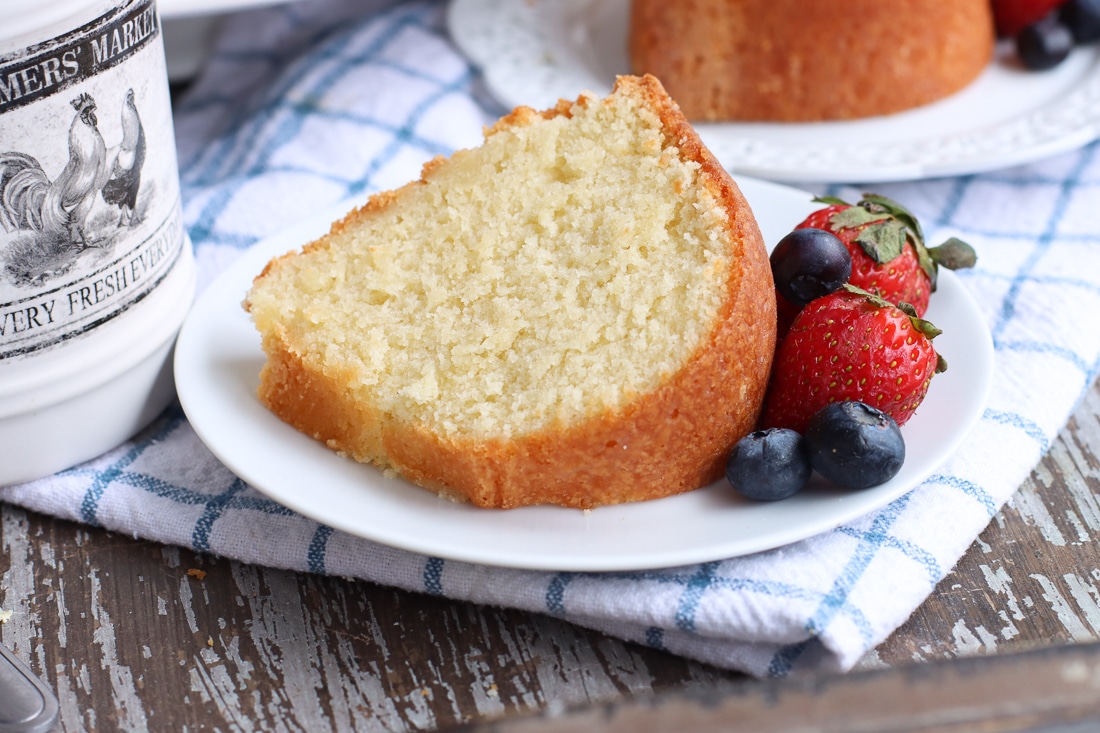
The Enduring Charm of Classic Pound Cake: Achieving that Perfect Dense Crumb
There's something uniquely comforting about a classic homemade pound cake. Its rich, buttery aroma filling the kitchen, its golden crust hinting at the moist, velvety interior – it's a timeless dessert that evokes nostalgia and simple pleasure. While many variations exist today, from buttermilk-infused masterpieces to tangy citrus versions, mastering the traditional pound cake recipe is a fundamental skill for any home baker.
Originally, this beloved cake earned its name from its simple, perfect proportions: a pound each of butter, sugar, eggs, and flour. This straightforward, four-ingredient approach resulted in a sturdy, satisfying cake. Today, while ingredient ratios might have evolved slightly to fine-tune texture and moisture, the essence remains: a rich butter cake, celebrated for its beautifully dense, yet tender, crumb. It's the ideal canvas for fresh berries and whipped cream, an unexpected delight as French toast, or simply perfect enjoyed plain with a cup of coffee – just as tradition dictates. For more insights into these foundational recipes, explore our articles on Classic Pound Cake: Only 4 Simple Ingredients for Perfection and Old-Fashioned Pound Cake: Moist & Buttery Southern Classic.
Achieving that signature dense crumb, a hallmark of a truly great pound cake, isn't complicated, but it does require attention to detail and a few expert tips. Let's delve into the secrets behind baking this quintessential dessert from scratch.
The Foundation: Essential Ingredients for Your Pound Cake Recipe
The beauty of a classic pound cake recipe lies in its simplicity, but the quality and preparation of those few ingredients are paramount. Think of them as the building blocks for your perfect crumb.
Butter: The Heart of the Crumb
Butter isn't just a flavor enhancer here; it's a crucial component for texture. For a deeply rich, flavorful cake, opt for high-quality butter. While many recipes specify unsalted butter to control salt levels, using salted butter in a traditional pound cake can actually boost flavor, as there's often no additional salt added to the batter. If you use unsalted, a pinch of fine salt (1/4 to 1/2 teaspoon) can be added with the flour.
Crucially, your butter must be at room temperature – not melted, not cold from the fridge. Properly softened butter (indentable with a finger, but not greasy) creams better with sugar, incorporating air that contributes to the cake's structure and rise.
Sugar: Sweetness and Structure
Granulated sugar is the traditional choice, lending a clean sweetness and helping create that signature golden crust. Its crystalline structure is also vital for the creaming process, working with the butter to trap air. While light brown sugar can add a lovely caramel note, for a classic profile, stick with granulated.
Eggs: The Binder and Leavener
Large eggs provide structure, moisture, and a subtle leavening effect. Like butter, eggs should be at room temperature. This allows them to emulsify more easily with the butter and sugar, creating a smoother, more homogenous batter. Adding eggs one at a time and mixing until each is just incorporated prevents the batter from curdling and ensures even distribution.
Flour: The Backbone
For a traditional, sturdy pound cake recipe with its characteristic dense crumb, all-purpose flour is the workhorse. Its protein content provides the necessary structure to support the rich batter. While cake flour can create a lighter, more tender crumb, it might veer away from the true dense texture associated with a classic pound cake. If you're aiming for that unmistakable density, stick with all-purpose.
The Importance of Room Temperature Ingredients
This cannot be stressed enough: ensure all your core ingredients – butter, eggs, and any dairy if using a variation – are at room temperature. When ingredients are at the same temperature, they emulsify beautifully, creating a smooth, cohesive batter. Cold ingredients can cause the batter to curdle, leading to an inconsistent texture and potentially a less tender cake. Plan ahead and take them out of the refrigerator at least 30-60 minutes before you begin baking.
Mastering the Technique: Expert Mixing for a Perfect Pound Cake Crumb
Beyond the ingredients themselves, the method of combining them is where the magic happens and the perfect dense crumb is born.
The Art of Creaming Butter and Sugar
This is arguably the most critical step for pound cake success. Using a stand mixer with a paddle attachment or a hand mixer, beat the softened butter and granulated sugar together on medium speed for at least 2-3 minutes, and often up to 5 minutes. You're looking for a transformation: the mixture should become visibly lighter in color, fluffy, and significantly increased in volume. This process, known as creaming, incorporates tiny air pockets into the butter, which are essential for leavening the cake and contributing to its tender, yet dense, structure.
Incorporating Eggs: Slowly but Surely
After creaming, add the room temperature eggs one at a time. Beat well after each addition, ensuring it's fully incorporated before adding the next. This gradual approach allows the batter to maintain its emulsification and prevent it from breaking. Don't forget to scrape down the sides and bottom of the bowl frequently to ensure everything is evenly mixed.
The Flour Factor: Avoiding Over-Mixing
Once the eggs are in, it's time for the flour. Reduce your mixer speed to low and add the flour gradually. Mix only until the flour is *just* incorporated and no dry streaks remain. Over-mixing at this stage is the enemy of a tender crumb. When flour is over-mixed, gluten – the protein in flour – develops excessively, leading to a tough, rubbery, or overly dense texture rather than the desired fine, tight crumb.
Pan Preparation is Key
A well-prepared pan ensures your beautiful cake releases easily. For a standard loaf or Bundt pan, generously grease the entire interior with softened butter or a non-stick baking spray, then dust thoroughly with flour. Tap out any excess. For intricate Bundt pans, a spray like Baker's Joy or a paste made from equal parts shortening, flour, and oil can be even more effective. A parchment paper sling for loaf pans can also provide extra assurance.
Baking Your Pound Cake to Golden Perfection
The final stage requires patience and an understanding of your oven.
Oven Calibration and Consistent Temperature
Home ovens can vary significantly in temperature, so knowing your oven's true temperature can be a game-changer (an oven thermometer is a great investment!). Always preheat your oven thoroughly to the specified temperature (typically 325-350°F / 160-175°C, depending on the recipe and pan size). A consistent temperature is crucial for even baking and proper crust development.
The Tell-Tale Signs of Doneness
A classic pound cake typically bakes for 70 to 80 minutes, sometimes longer for very large Bundt cakes. The exact time will depend on your oven and pan size. Don't rely solely on the clock; look for these visual cues:
- The top of the cake will be deeply golden brown.
- It will begin to pull away slightly from the sides of the pan.
- Most importantly, insert a wooden skewer or toothpick into the deepest part of the cake. It should come out clean, with no wet batter clinging to it. If it comes out with moist crumbs, that's generally acceptable for a rich pound cake, but liquid batter indicates it needs more time.
If the top is browning too quickly, you can loosely tent it with aluminum foil during the last 20-30 minutes of baking.
Cooling and Resting: The Unsung Heroes
Once baked, resist the urge to immediately unmold your cake. Allow it to cool in the pan on a wire rack for at least 10-15 minutes. This allows the cake to set, firm up, and gently pull away from the pan sides, making it easier to release without breaking. After this initial cooling, invert the cake onto the wire rack to cool completely. Cooling thoroughly ensures the internal structure is stable and the cake maintains its moisture. Slicing a warm pound cake can lead to a gummy texture.
Troubleshooting Common Pound Cake Challenges
Even with the best intentions, baking can sometimes present challenges. Here are a few common pound cake issues and how to address them:
- Dry or Crumbly Cake: This is often a sign of over-baking or, less commonly, too much flour. Ensure you're measuring flour correctly (by weight is best, or spooned lightly into a cup and leveled) and watch for the doneness cues closely.
- Sunken Center: This can be caused by opening the oven door too early, under-baking, too much leavening (though less common in a classic pound cake), or the oven temperature being too low.
- Dense or Rubbery Texture (not the good dense!): Over-mixing the flour is the prime suspect here, developing too much gluten. Ensure you mix only until just combined.
- Cracked Top: A natural occurrence for many pound cakes, especially when baked in a loaf pan. It's often a sign of good rise and doesn't affect flavor or texture. If you want to minimize it, a slightly lower oven temperature for a longer time can sometimes help.
Baking a perfect homemade pound cake is a journey that rewards patience and a keen eye for detail. By understanding the role of each ingredient and mastering the simple yet crucial techniques of creaming and gentle mixing, you'll consistently achieve that coveted, buttery, dense crumb that defines this classic dessert. So, preheat your oven, gather your ingredients, and get ready to experience the pure joy of a truly perfect pound cake.
