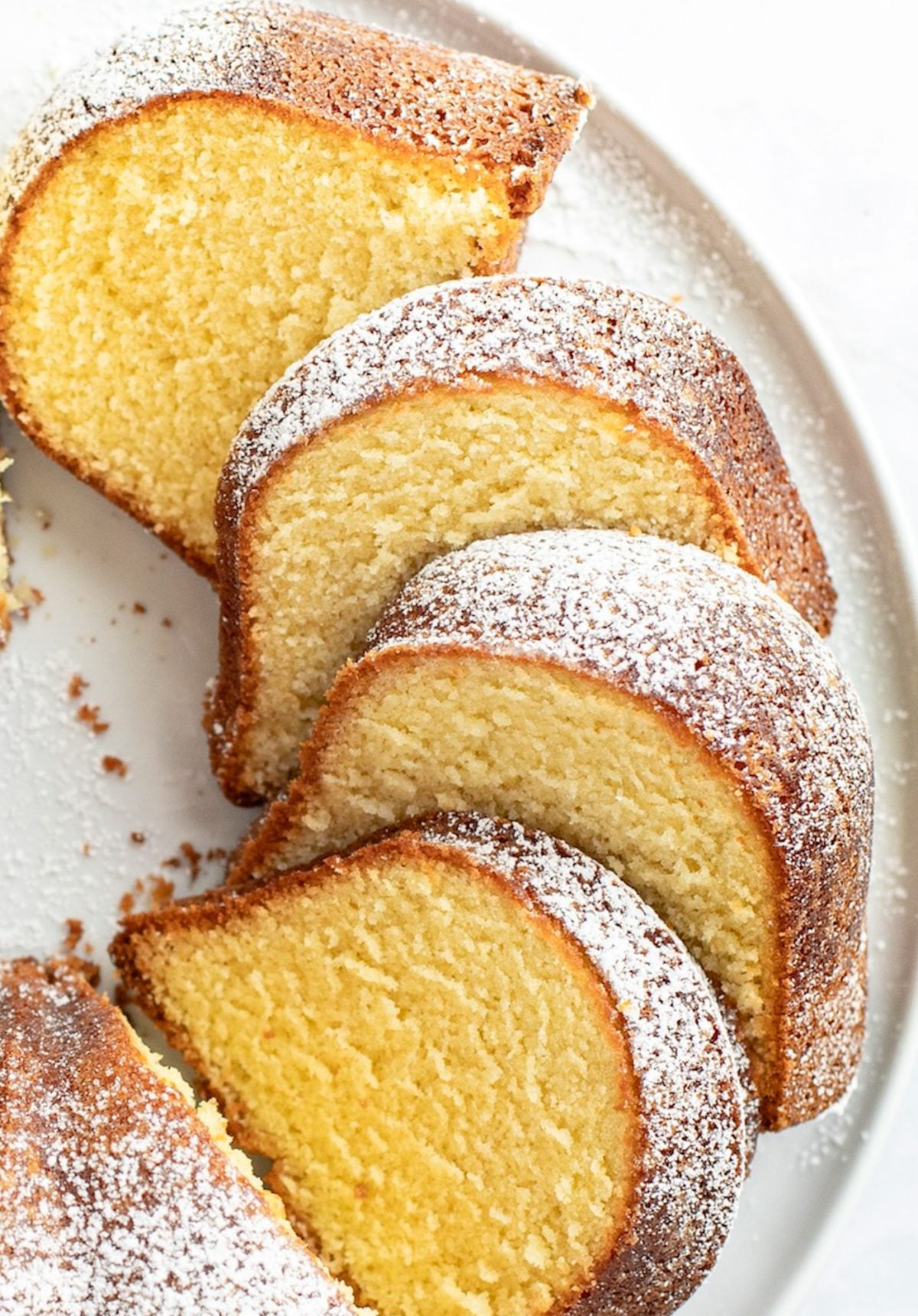
The Enduring Allure of Old-Fashioned Pound Cake: A Moist & Buttery Southern Classic
Few desserts evoke a sense of warmth, nostalgia, and simple perfection quite like an old-fashioned pound cake. This culinary cornerstone, beloved across generations, stands as a testament to the power of quality ingredients and time-honored techniques. Forget the elaborate, multi-layered confections; the beauty of a classic pound cake lies in its straightforward elegance. With a dense, yet tender crumb and a rich, buttery flavor that lingers on the palate, it's a dessert that needs no fancy adornment to shine. Whether served plain with a cup of coffee or dressed up with seasonal fruits, this Southern staple truly holds a special place on any dessert table.
At its heart, the traditional pound cake recipe is a celebration of simplicity. Historically, it earned its name from the straightforward measurement of its core ingredients: a pound each of butter, sugar, eggs, and flour. While modern recipes might tweak those proportions for a slightly lighter texture or added moisture, the foundational principle remains the same. It's a truly foundational bake, and once you master this classic, it unlocks a world of possibilities for delicious homemade treats.
Unpacking the "Pound" in Pound Cake: A Foundation of Flavor
The historical "pound" formula is more than just a quaint anecdote; it speaks volumes about the cake's character. Imagine the richness derived from equal parts butter, sugar, and eggs, all balanced by a sturdy measure of flour. This original concept resulted in a robust, satisfying cake, built to last and travel well in an era before refrigeration was commonplace. While some might assume the name refers to the cake's final weight or the weight gained from eating it, the truth lies purely in its ingredient ratios. Indeed, a fully baked pound cake, with its impressive density, often weighs far more than a single pound!
This fundamental simplicity is precisely what makes the old-fashioned pound cake a perfect canvas for both the novice and experienced baker. There are no exotic spices or complex leavening agents to contend with; success hinges on the quality of your ingredients and meticulous attention to a few key techniques.
The Four Pillars of Perfection: Essential Ingredients for Your Pound Cake Recipe
To achieve that iconic moist and buttery texture, selecting the right ingredients and preparing them correctly is paramount.
- Butter: The Heart of the Cake
For a truly buttery pound cake, high-quality butter is non-negotiable. Many traditionalists swear by using salted butter in this recipe, as it subtly enhances the overall flavor without needing additional salt. If you prefer or only have unsalted butter, a pinch of fine sea salt can be added to your flour mixture. Crucially, your butter *must* be at room temperature. Softened, but not melted, butter creams beautifully with sugar, incorporating air that contributes to the cake's structure and lightness, preventing a too-dense result.
- Sugar: Sweetness and Structure
Granulated sugar is the classic choice here, providing not just sweetness but also helping to create that desirable golden crust and tender crumb. Its fine crystals dissolve readily into the butter, contributing to the creaming process. For a subtle twist in flavor and moisture, you could experiment with a light brown sugar, which would add a hint of molasses depth.
- Eggs: Binding and Richness
Eggs serve multiple vital roles in a pound cake: they provide structure, moisture, richness, and act as a natural emulsifier, binding all the ingredients together. Always use large eggs, and just like your butter, ensure they are at room temperature. Cold eggs can cause the butter and sugar mixture to curdle, leading to a less homogenous batter and a denser cake.
- Flour: The Sturdy Foundation
For a classic, robust pound cake, all-purpose flour is perfectly suitable. It provides the necessary structure to support the rich batter, resulting in that signature sturdy, yet tender crumb. While cake flour is sometimes used for a lighter texture, in a traditional pound cake recipe, all-purpose flour truly delivers the authentic experience without making a huge difference in the final product.
Mastering the Art of a Moist & Buttery Pound Cake
Beyond the ingredients themselves, the magic of a perfect pound cake lies in the technique. It's not overly complicated, but precision in each step will yield magnificent results. For more detailed insights on achieving the perfect texture, you might find valuable guidance in
Homemade Pound Cake: Expert Tips for a Perfect Dense Crumb.
Step-by-Step Baking Tips for Your Pound Cake Recipe
1.
The Room Temperature Rule: This cannot be stressed enough. Ensure all your cold ingredients – butter and eggs – are at proper room temperature. This allows them to emulsify correctly, creating a smooth, cohesive batter that bakes evenly and yields a fine, tender crumb. Plan ahead and let them sit out for at least 30-60 minutes before you begin.
2.
Creaming Butter and Sugar to Perfection: This is arguably the most crucial step for a light, airy crumb. In a stand mixer, cream the softened butter and granulated sugar together on medium speed for a full 2 to 3 minutes. You're looking for the mixture to become visibly lighter in color, pale, and fluffy, almost like whipped cream. This process incorporates air, which is essential for the cake's texture.
3.
Incorporating Eggs One by One: Add your room temperature eggs into the creamed butter and sugar mixture one at a time, beating well after each addition until fully incorporated. This gradual addition ensures the batter remains emulsified and smooth. Don't forget to scrape down the sides of the bowl with a spatula after each egg to ensure everything is evenly mixed.
4.
Gentle Flour Incorporation: Once the eggs are in, switch your mixer to low speed and gradually add the flour. Mix *only* until the flour is just incorporated and no dry streaks remain.
Over-mixing at this stage is the enemy of a tender pound cake. Excess mixing develops the gluten in the flour, leading to a tough, dense cake. Stop as soon as the flour disappears.
5.
Baking to Golden Perfection: Pour your batter into a greased and floured bundt or loaf pan. Bake at the recommended temperature (typically 325-350°F / 160-175°C) for 70 to 80 minutes, or until a wooden skewer or toothpick inserted into the center comes out clean. Remember that home ovens can vary significantly, so actual bake times may differ. If your cake is browning too quickly on the outside but still isn't done in the center, you can loosely tent it with aluminum foil for the remaining bake time.
6.
The Cooling Process: Allow the cake to cool in its pan on a wire rack for about 10-15 minutes before inverting it onto the rack to cool completely. This crucial resting period helps the cake set and prevents it from crumbling when removed from the pan.
Serving Suggestions & Creative Twists for Your Pound Cake Recipe
The beauty of a classic pound cake lies in its incredible versatility. While it shines brightly on its own, its dense, buttery nature makes it an ideal partner for a variety of accompaniments.
For a truly classic experience, especially beloved in the South, serve slices of your pound cake with a generous dollop of freshly whipped cream and a cascade of macerated fresh strawberries. The sweet, slightly tart berries and light cream provide a perfect counterpoint to the rich cake. But don't stop there! This is just the beginning of its potential.
Imagine thin slices of this cake transformed into the most indulgent French toast you've ever tasted, soaking up custardy goodness and crisping beautifully on a griddle. Or, consider it as the sturdy base for a trifle, layered with pudding, fruit, and more whipped cream. Some, like my grandpa, might argue that the best way to enjoy it is simply plain, perhaps with a steaming cup of coffee, letting its pure, buttery flavor take center stage. For a deeper dive into the essential components that make this cake shine, explore
Classic Pound Cake: Only 4 Simple Ingredients for Perfection.
A Timeless Treat for Every Occasion
An old-fashioned pound cake is more than just a dessert; it's a culinary heritage, a comforting reminder of simpler times, and a testament to the fact that often, the most basic ingredients can create the most profound flavors. Mastering this classic pound cake recipe equips you with a truly versatile skill, allowing you to bring a touch of Southern charm and buttery perfection to any gathering. So, roll up your sleeves, gather your simple ingredients, and prepare to bake a masterpiece that will surely become a cherished family favorite for years to come.